How to Prevent Ice Dams and Winter Roof Damage in Ohio
Ohio winters can be brutal on your roof. Freezing rain, heavy snow, and fluctuating temperatures all create the perfect environment for ice dams—one of the most common and costly sources of winter roof damage.
If you’ve ever wondered how to prevent ice dams and winter roof damage in Ohio, this guide breaks down what causes them, how to avoid them, and when to call in a roofing company.
What Are Ice Dams?
Ice dams form when heat from your attic warms the roof, causing snow to melt. As the water runs down to the cooler eaves or into your gutters, it refreezes and creates a barrier of ice. Over time, water builds up behind the dam and can back up under shingles—leading to leaks, rot, and insulation damage.
Why Ice Dams Are a Problem in Ohio
Ohio’s freeze-thaw cycles are ideal for ice dam formation. During the day, the sun and attic heat cause melting. At night, freezing temperatures turn runoff into ice. This repeated cycle can:
- Trap water beneath shingles
- Lead to leaks and mold
- Damage gutters, soffits, and fascia
- Compromise your roof’s structure
How to Prevent Ice Dams and Winter Roof Damage in Ohio
Here’s what you can do to protect your home before the snow piles up:
1. Improve Attic Insulation
Proper insulation helps keep warm air from escaping into your attic and melting the snow on your roof. Tips:
- Make sure attic floor insulation is even and uninterrupted
- Seal gaps around light fixtures, pipes, and vents
- Add insulation to hatch doors and pull-down stairs
2. Ventilate Your Attic
A well-ventilated attic allows cold air to circulate, preventing warm spots that lead to melting. To improve airflow:
- Check that soffit and ridge vents are unobstructed
- Avoid covering vents with insulation
- Add gable or box vents if air movement is limited
Learn more about replacing or modifying roofs in cold weather.

3. Clean Your Gutters and check slope
Gutters clogged with leaves and debris can’t direct melting snow away from your roof. Before winter:
- Remove all buildup from gutters and downspouts
- Make sure gutters are sloped enough to drain water to your downspouts and at least a few feet from the foundation
- Consider adding gutter guards to reduce maintenance
If your gutters are overflowing, water sits in them, or leaks elsewhere, you may need to change the slope of your gutters or hire a Pickerington gutter contractor for replacement.
4. Use a Roof Rake After Heavy Snowfall
Removing excess snow from your roof’s edges helps prevent ice buildup. Use a roof rake:
- From the ground only (avoid climbing ladders)
- To clear the lower 3–4 feet of snow
- Immediately after large snowfalls
Avoid using metal tools or shovels that could damage shingles.
5. Schedule a Winter Roof Inspection
Not sure if your roof is ready for the season? A winter inspection can catch small issues before they turn into big ones. At Price Brothers Restoration, we inspect:
- Ventilation systems
- Flashing and seal integrity
- Shingle and gutter condition
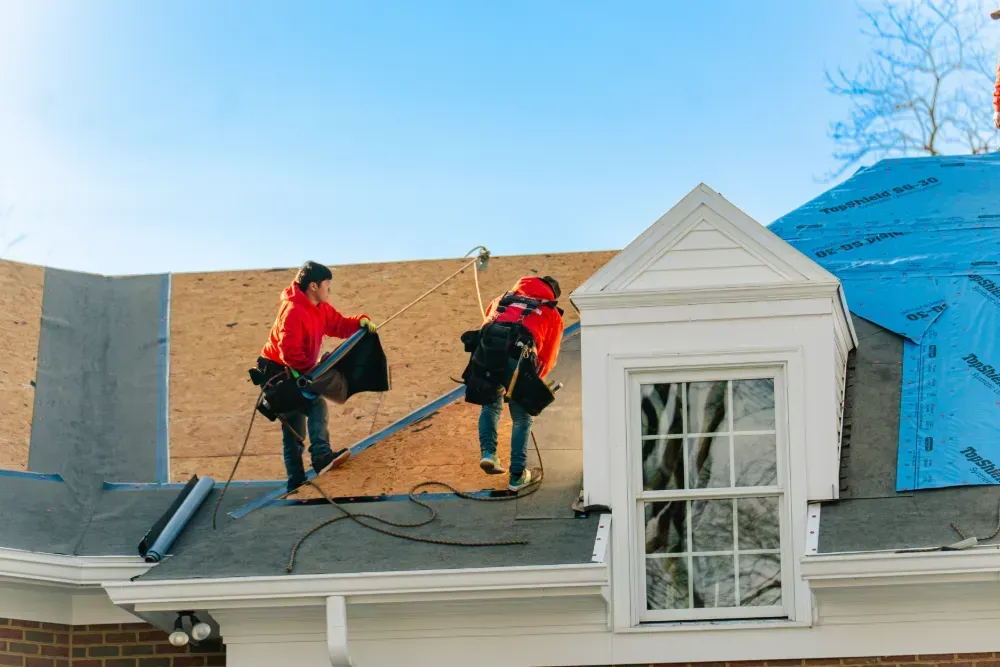
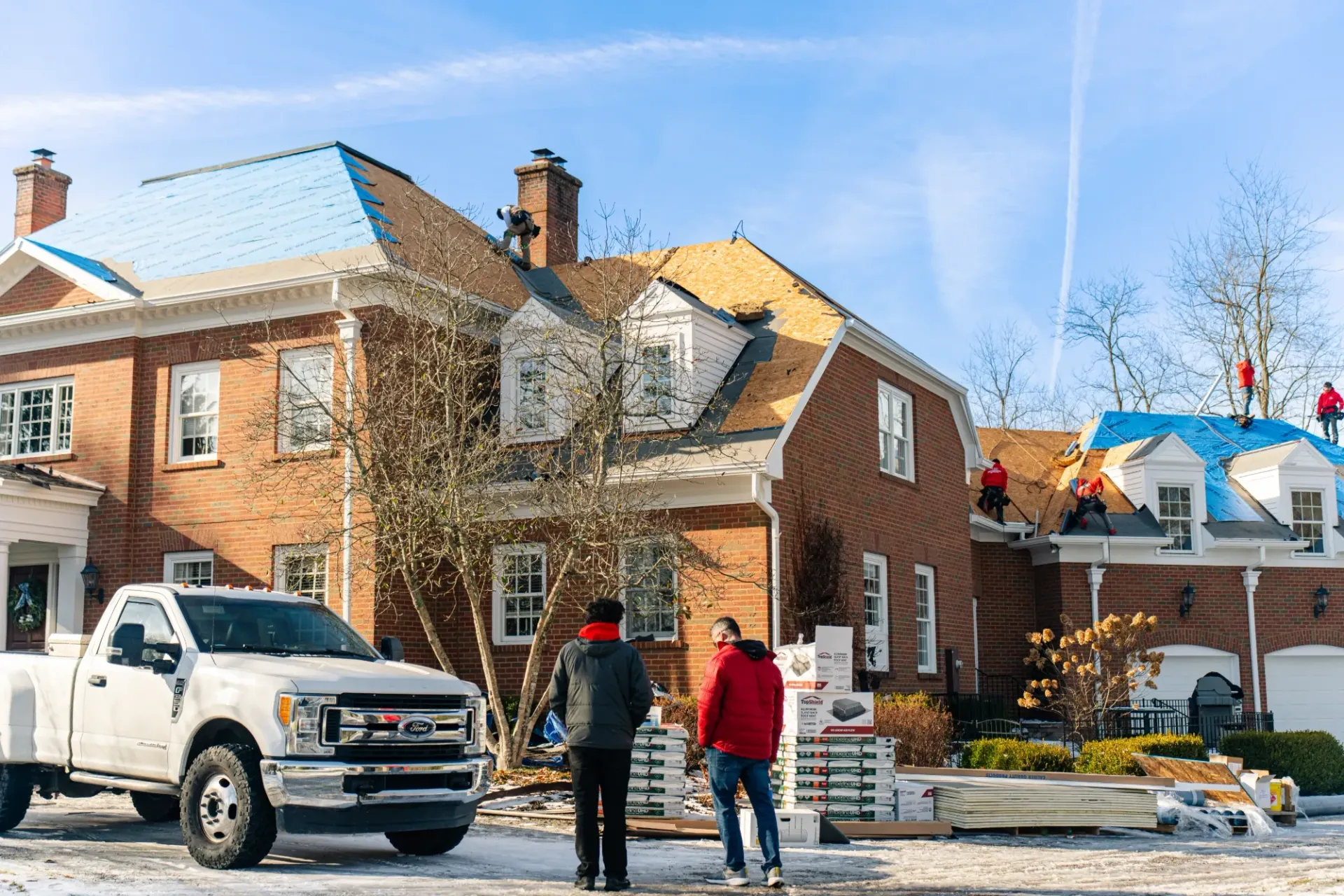
We’ll let you know whether your roof can wait until spring—or if winter replacement is necessary. Yes, winter roof replacements are possible.
Warning Signs of Ice Dam Problems
Watch for these red flags during winter:
- Large icicles forming on eaves and gutters
- Water stains on ceilings or attic insulation
- Ice building up in the same areas repeatedly
- Curling shingles or lifted flashing
These are signs it’s time to call in a roofing professional.
Protect Your Roof Before Winter Hits
Taking preventive steps now can help you avoid mid-winter emergencies. Ice dams are sneaky—and expensive. But with good insulation, proper ventilation, and a proactive plan, you can make it through Ohio’s toughest storms with confidence.
Need help winterizing your roof or concerned about a recent freeze? Contact us today to schedule your winter roof inspection or get help with emergency repairs in Central Ohio.
FAQ: Quick Answers to Common Questions
Q: What causes ice dams to form on roofs?
Ice dams form when warm attic air melts rooftop snow, which then refreezes along colder roof edges and eaves, trapping water behind it.
Q: Can ice dams cause interior water damage?
Yes. Water can back up under shingles and leak into your attic, ceiling, and walls—leading to mold, rot, and ruined insulation.
Q: How do I know if my roof is at risk?
Homes with poor attic insulation or blocked ventilation are more vulnerable. If you notice icicles, your roof may already be at risk.
Q: Can I replace my roof during winter if it’s already damaged?
In many cases, yes. While winter roofing requires extra care, it’s possible when conditions allow. It’s likely a small repair can prevent water damage until the spring if there is too much snow.