How to Check for Roof Damage After a Storm (Before It Costs You)
After a storm rolls through Central Ohio, most homeowners do a quick scan from the driveway — and if they don't see missing shingles or a ceiling drip, they assume they're in the clear. I've seen that assumption turn into a $15,000 problem more times than I can count.
Knowing how to check for roof damage after a storm isn't just a good habit — it's one of the most important things you can do to protect your home and your insurance claim.
Key Takeaways
- Storm damage doesn't always cause an immediate leak — hail, wind, and rain can silently compromise your roof for months before water intrudes.
- What counts as storm damage includes bruised shingles, granule loss, lifted flashing, and dented metal components — not just missing shingles.
- Most Ohio homeowners have up to one year to file a storm damage claim, but waiting reduces your options and payout.
- A professional inspection within 24–72 hours of a storm is your best move for safety, documentation, and insurance coverage.
Here's exactly how to check for roof damage after a storm — and what to do next.
What Is Considered Storm Damage to a Roof?
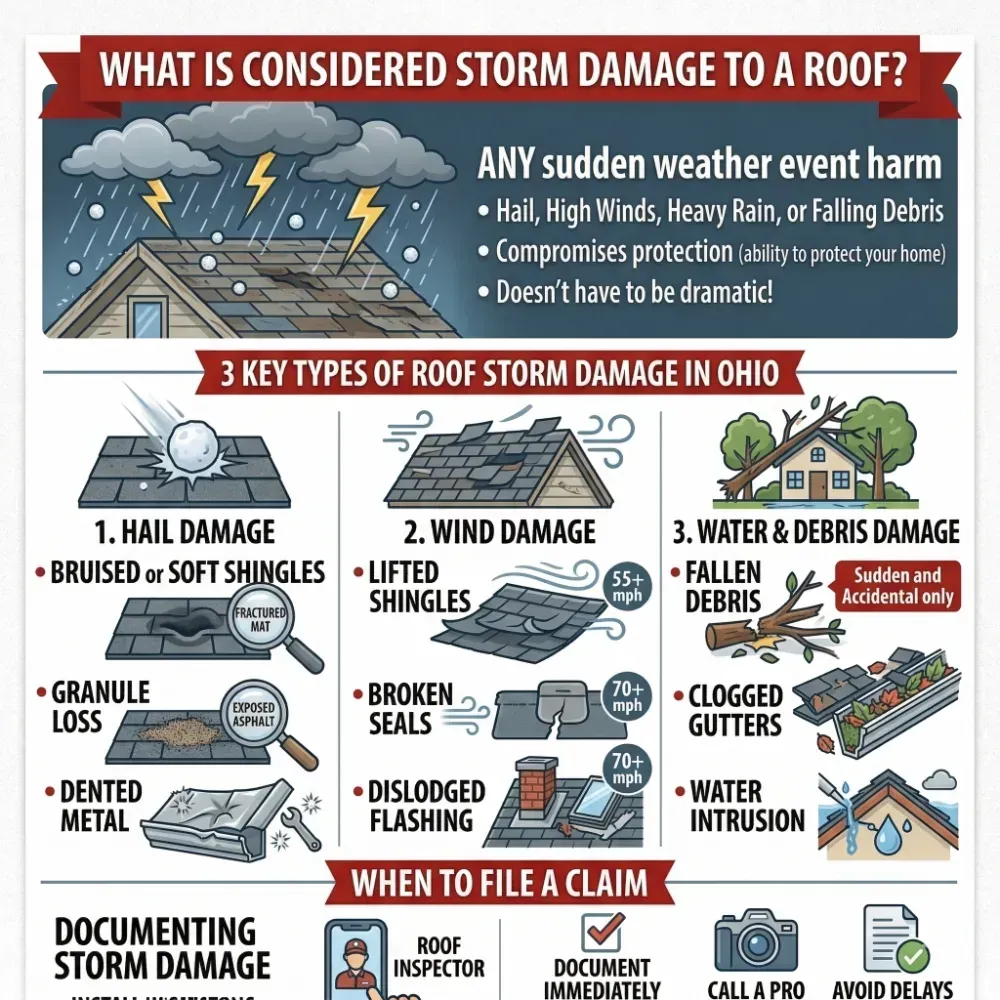
Storm damage to a roof is any physical harm caused by weather events — including hail, high winds, heavy rain, or falling debris — that compromises the roof's ability to protect your home. It doesn't have to be dramatic to be real.
Hail Damage
Hail is one of the most common reasons Ohio homeowners file roof claims. Ohio can experience hail any time of year, though it's most common in spring and early summer. Even smaller hailstones cause damage worth documenting:
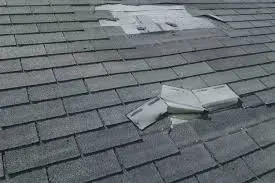
- Bruised or soft shingles — dark, spongy spots where the mat beneath the granules has been fractured
- Granule loss — the protective coating stripped away, leaving asphalt exposed and accelerating aging
- Dented metal components — gutters, flashing, vents, and ridge caps show dings that confirm a hail event hit your property
Wind Damage
High winds don't have to tear off a whole section to do damage. Sustained winds of 55+ mph can lift shingle edges and break seals, while gusts exceeding 70 mph can tear shingles completely from the roof deck. Signs include lifted or curled shingle edges, broken seals along the tabs, and dislodged flashing around chimneys or skylights.
Water and Debris Damage
Fallen tree limbs, clogged gutters from storm debris, and rain-driven water intrusion through compromised areas all count as storm damage — as long as the damage was sudden and accidental, not the result of neglected maintenance.
How to Check for Roof Damage After a Storm: A Step-by-Step Walkthrough
You don't need to climb on the roof to do a solid initial assessment. In fact, I'd rather you didn't. Here's how to check for roof damage safely and thoroughly.
Step 1: Walk the Perimeter of Your Home
Start on the ground. Walk the full perimeter of your house and look for:
- Shingle granules in the gutters or on the ground — if you're finding piles of sand-like material, your shingles took a hit
- Shingle fragments or debris in the yard — pieces of tab material or cracked shingles nearby are a clear red flag
- Dents on gutters, downspouts, or AC unit — metal surfaces show hail impact clearly; if your AC condenser is dented, your roof likely is too
"When I'm on an inspection after a storm, the first thing I do is check the gutters and the AC unit," said Will Price of Price Brothers Restoration. "If I'm seeing granule buildup and dents on the condenser, I already know what I'm going to find on the roof before I climb up."
Step 2: Check the Attic
Before you go outside, head to the attic with a flashlight. Look for:
- Water stains, wet insulation, or dark streaks on the underside of the decking
- Daylight coming through the decking in areas it shouldn't be
- A musty smell — a sign of moisture that's been sitting since the last storm
According to
insurance documentation experts at CMS Law Group, thorough documentation is critical — photographs, videos, and written descriptions of the affected areas provide tangible proof that supports your insurance claim and prevents unnecessary delays or denials.
Step 3: Inspect Visible Roof Surfaces from a Ladder (Don't Walk It)
If you can safely access the roofline from a ladder without stepping onto the roof, look at the first few rows of shingles near the eaves. Check for:
- Cracked, curled, or missing shingles
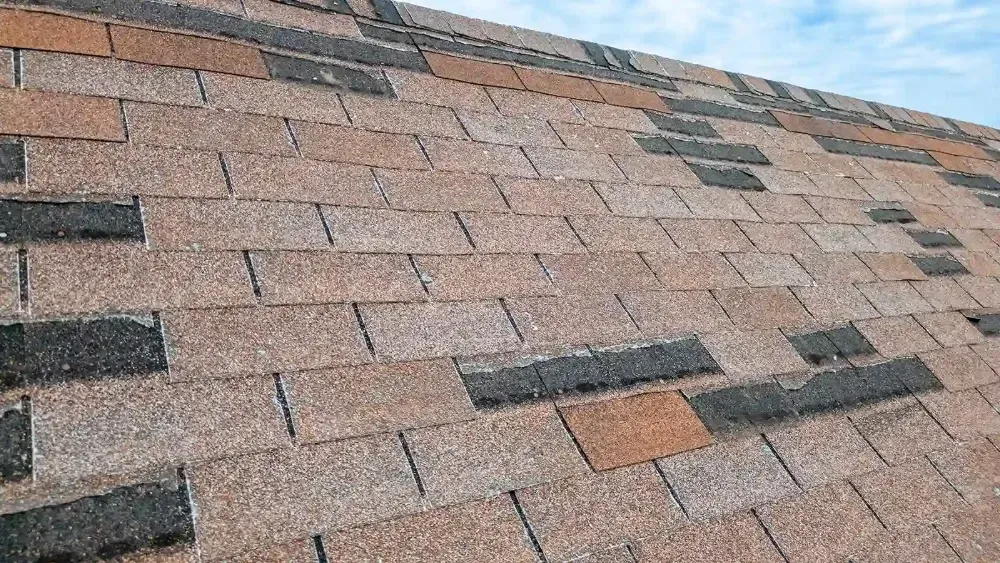
- Soft, dark spots that look like bruising
- Exposed black asphalt where granules should be
- Flashing that's lifted, bent, or separated at the seams
Step 4: Document Everything
Use a smartphone or tablet to photograph and video all affected areas. Note the date of the storm, any local news reports confirming severe weather, and every area of visible damage — both on the roof and around the property. This documentation will be critical when you file a claim.
What to Do If You Have Roof Storm Damage
Once you've spotted the signs, here's the sequence that protects you financially and with your insurance company.
Call a Local Roofing Contractor First
Before you call your insurance company, have a trusted roofing contractor in Pickerington, Ohio inspect the roof. A professional assessment gives you an independent, documented record of the damage — separate from the insurance adjuster's report. This matters more than most homeowners realize.
File Your Claim Promptly
The best way to protect your claim is to schedule a professional inspection shortly after any hailstorm — even if there's no immediate sign of damage. This gives you documentation in case a claim becomes necessary later, a clearer picture of whether you should file at all, and a head start on repairs before the next storm season.
Have Your Contractor Present for the Adjuster Visit
It's best if your contractor is present when the insurance adjuster visits to ensure all damage is properly noted and fairly assessed. Adjusters sometimes miss secondary damage that an experienced roofer will catch immediately.
Does Home Insurance Cover Storm Damage?
Yes — in most cases, homeowners insurance covers sudden, accidental storm damage. But the details matter.
What's Typically Covered
Standard homeowners policies typically cover wind damage such as uplifted or missing shingles, hail damage including pockmarks and granule loss, damage from falling debris caused by a windstorm, and water damage resulting from a storm-created opening.
What's Usually Not Covered
Insurance is designed to cover accidental damage — not long-term deterioration or maintenance issues. Common exclusions include wear and tear on aging roofs, neglected maintenance and pre-existing damage, and flooding or sewer backups, which typically require separate coverage.
Ohio also has a law requiring that repairs match the existing structure — so if your shingles can't be matched, you may have grounds to argue for a full replacement rather than a partial repair.
"A lot of homeowners don't realize they have more leverage than they think in Ohio," said Will Price. "If the insurance company can't match your existing shingles, Ohio law is on your side. That's why having a contractor who knows the claims process is so valuable."
How to Claim Storm Damage to a Roof
Filing a roof storm damage claim doesn't have to be overwhelming. Here's how it works:
Gather Your Documentation
Collect your photos and videos, the date of the storm, and your contractor's written inspection report. If possible, pull up local weather reports or radar data confirming the storm event in your area.
Contact Your Insurance Company
Report the damage and initiate the claim. Share your documentation and provide the storm date as your "date of loss" — this is the date the clock starts on your claim window.
Prepare for the Adjuster
Your insurer will send a claims adjuster to assess the damage in person. Having a knowledgeable contractor on-site — someone who has documented the damage and knows what to point out — can make a significant difference in the scope of what gets covered.
How Long After a Storm Can You Claim Hail Damage?
This is one of the most common questions I get, and the answer surprises most people.
Most homeowners have approximately one year from the date of the hailstorm to file an insurance claim for roof damage — but that window varies by policy and provider. Some insurance companies set their time limits at only 30 days, while others allow up to two years. The timeline starts from the date of loss, not the date you discovered the damage.
According to Owens Corning's storm damage checklist, getting a professional inspection shortly after any hailstorm gives you documentation in case a claim becomes necessary, a clearer picture of whether you should file at all, and a head start on repairs before the next storm season.
Here's the part that really matters: even if your policy technically gives you a year, waiting too long can cost you. If you have Replacement Cost Value (RCV) coverage, your insurer typically pays the depreciated value first, then reimburses the difference after repairs. If you delay and miss the documentation deadline, that second payment — the recoverable depreciation — can be forfeited. You could lose thousands of dollars and end up covering the gap out-of-pocket.
"I've seen homeowners leave $8,000 to $10,000 on the table simply because they waited too long. The damage was real, the claim was valid, but the timeline had passed for recovering full replacement cost. Don't let that be you."
The bottom line: get your roof inspected as soon as possible after a storm, even if it looks fine from the ground.
Frequently Asked Questions
What is considered storm damage to a roof?
Storm damage includes any physical harm caused by hail, high winds, heavy rain, or falling debris that compromises your roof's ability to protect your home. This includes bruised or cracked shingles, granule loss, lifted flashing, dented metal components, and any storm-created openings that allow water intrusion.
How long after a storm can you claim hail damage on your roof?
Most Ohio homeowners have up to one year from the storm date to file a claim, though some policies have shorter windows. Because the clock starts on the date of the storm — not when you discover the damage — it's best to get a professional inspection within 24–72 hours of any severe weather event. As roofing industry experts at Bill Ragan Roofing explain, most homeowners have approximately one year from the date of the hailstorm to file a claim — but that window varies by policy and provider, and the clock starts from the date of loss, not the date you discovered the damage.
Does home insurance cover storm damage to a roof?
Yes, most standard homeowners policies cover sudden, accidental storm damage including hail, wind, and debris. Coverage for older or poorly maintained roofs may be limited, so having a contractor document the cause of damage clearly is important.
How do I check for roof damage after a storm without climbing on the roof?
Walk your property perimeter and check gutters for granule buildup, look for shingle debris in the yard, inspect your AC condenser and gutters for dents, and examine your attic for water stains or daylight. These ground-level and interior checks often reveal clear evidence of roof damage without requiring you to get on the roof.
Should I call my insurance company or a roofer first?
Call a trusted Pickerington roofing contractor first. Getting an independent professional inspection before the adjuster visit gives you documentation and an advocate who can ensure all damage gets properly recorded and fairly assessed.
Don't Wait — Storm Damage Only Gets Worse
If you live in Pickerington, Reynoldsburg, Canal Winchester, or anywhere in Central Ohio, you know our storms are no joke. Hail, wind, and heavy rain hit us hard every spring and summer — and the damage they leave behind isn't always obvious from the street.
The homeowners who come out ahead are the ones who act quickly: they inspect early, document everything, get a professional on their side, and file before their claim window closes. The ones who wait — assuming "it looks fine" — often end up footing the bill themselves.
At Price Brothers Restoration, we provide thorough, honest post-storm inspections and guide you through every step of the repair and insurance claim process. There's no pressure, no runaround — just straight answers and quality work from a team that's rooted right here in Pickerington.